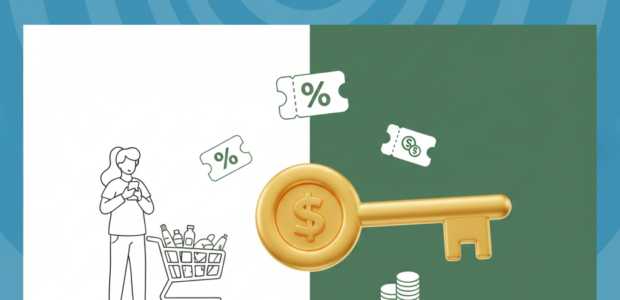
Saving money does not always mean cutting joy from your life. You do not have to stop shopping. You do not have to give up the things you enjoy.
Instead, you can learn how to shop smarter.
Coupons make this possible.
They are simple tools that help you reduce costs while still buying what you need. Many smart shoppers rely on coupons every day, not because they must, but because it makes financial sense.
If you build the habit now, your future self will thank you.
Let’s explore how coupons can quietly transform your spending.
What Is a Coupon and Why Should You Care?
A coupon is an offer that lowers the price of a product or service. It may look small, but its impact grows over time.
Think of it like this:
Saving $5 once is nice.
Saving $5 again and again is powerful.
Coupons help you:
-
Keep more of your income
-
Shop with confidence
-
Avoid overpaying
-
Stretch your budget
The best part? Using them takes very little effort.
In most cases, it only takes a few seconds.
Why Smart Shoppers Never Ignore Coupons
Many people assume coupons are only for tight budgets. That idea is outdated.
Today, smart shoppers use every advantage available.
Paying full price when a discount exists is like leaving money behind.
Here is why coupons matter:
They Protect Your Buying Power
Prices rise often. Coupons help balance that change.
They Encourage Intentional Spending
When you search for deals, you become more aware of your choices.
They Reduce Financial Stress
Even small savings create breathing room in your budget.
They Reward Patience
Waiting for a coupon often leads to a better deal.
Over time, these benefits create strong financial habits.
How Coupons Actually Work
Coupons are designed to attract customers. Businesses offer them to increase sales, introduce new items, or reward loyal buyers.
For shoppers, the process is simple.
-
Choose what you want to buy.
-
Find an active coupon.
-
Apply it at checkout.
-
Enjoy the lower price.
That is all.
No complicated systems. No special knowledge required.
Yet many people skip this step and pay more than necessary.
Do not be one of them.
The Most Common Types of Coupons Explained
Understanding coupon types helps you pick the best deal quickly.
Percentage Discounts
These reduce the total price by a portion.
For example, 20% off a $100 item saves you $20.
This type is ideal for expensive purchases.
Fixed Amount Discounts
These subtract a specific value from your total.
Example: $10 off your order.
Clear and easy to understand.
Great for everyday items.
Free Shipping Offers
Online shoppers know that delivery costs add up fast.
A free shipping coupon removes that extra charge instantly.
Sometimes this saves more than the product discount itself.
Buy One, Get One Deals
Often called BOGO.
You might get:
-
One item free
-
One at half price
Perfect for products you use often.
Cashback Rewards
Cashback returns part of your spending after purchase.
It may go to your bank, digital wallet, or store account.
The savings are real — even if they arrive later.
First-Time Buyer Coupons
Many stores reward new customers with instant discounts.
If you plan to shop somewhere new, always check for this offer first.
It is one of the easiest ways to save.
Where to Find the Best Coupons Quickly
You do not need to search for hours. Coupons are easier to find than most people think.
Here are the smartest places to look.
Brand Email Lists
Signing up often unlocks a welcome discount.
You may also receive exclusive offers not shared publicly.
Store Apps
Many apps apply coupons automatically.
They also alert you when prices drop.
Convenient and effective.
Coupon Websites
These platforms collect deals from many stores.
Instead of searching everywhere, you check one place.
A major time saver.
Loyalty Programs
Frequent shoppers often receive personalized discounts.
Staying loyal can pay off.
Social Media Promotions
Brands sometimes post short flash deals.
These offers move fast, so check regularly.
Simple Strategies That Multiply Your Savings
Anyone can use a coupon. Smart shoppers use them strategically.
Here is how to save more without extra effort.
Combine Discounts
Whenever possible, stack offers together.
For example:
-
Sale price
-
Coupon code
-
Cashback reward
Together, they can cut the price dramatically.
Time Your Purchases
Major sales happen during holidays and seasonal changes.
Pair those sales with coupons for deeper savings.
Patience often leads to better deals.
Keep a Shopping List
Impulse buying is the enemy of saving.
Know what you need before you shop.
Then apply coupons only to those items.
Compare Final Prices
A large discount does not always mean the lowest cost.
Always compare totals across stores.
Focus on the final number — not the percentage.
Set a Spending Limit
Coupons should guide your spending, not expand it.
If you would not buy the item without the discount, reconsider it.
Real savings come from discipline.
Mistakes That Cancel Out Coupon Benefits
Even experienced shoppers make errors. Avoid these common ones.
Buying Just Because It Is Cheap
A discount does not equal value if the item goes unused.
Ignoring Expiration Dates
Many coupons last only a short time.
Use them before they disappear.
Forgetting to Apply the Code
Always double-check your checkout page.
One missed click can cost you money.
Overlooking the Terms
Some coupons apply only to certain brands or categories.
Read the details to avoid surprises.
How Coupons Build Strong Money Habits
Coupons do more than reduce prices. They reshape how you think about spending.
You begin to:
-
Plan ahead
-
Research options
-
Avoid impulse purchases
-
Focus on value
These habits support long-term financial health.
Saving money is not about restriction. It is about awareness.
And awareness leads to control.
The Emotional Benefit of Paying Less
There is a quiet satisfaction in knowing you got a good deal.
Saving triggers a positive response in your brain. It feels like progress.
But balance matters.
Do not chase deals for excitement alone. Let logic guide you.
When emotion and discipline work together, your finances grow stronger.
Digital Coupons Are Changing the Shopping Game
Paper coupons once dominated stores. Today, digital options lead the way.
Why shoppers prefer them:
-
Faster to use
-
Harder to lose
-
Available anytime
-
No clutter
-
Eco-friendly
Some tools even test codes automatically at checkout.
Saving money has never been easier.
Are Coupons Worth the Few Seconds They Take?
Let’s look at the math.
If you save just $12 per week, that equals over $600 per year.
That could fund a vacation, cover bills, or boost your savings account.
All from quick actions repeated often.
Consistency beats intensity when it comes to saving.
Small steps create big results.
The Future of Coupons Looks Even Smarter
Technology continues to improve how discounts work.
Here is what we are seeing more of:
Personalized Deals
Stores analyze shopping habits and send tailored coupons.
Automatic Savings Tools
New technology applies the best code without effort.
Integrated Rewards
Points, cashback, and coupons are merging into one system.
Real-Time Discounts
Some stores adjust offers instantly based on demand.
The future promises less searching and more saving.
A Beginner-Friendly Plan to Start Today
Do not overcomplicate it. Start small.
-
Choose three stores you shop at often.
-
Join their email lists.
-
Check for coupons before buying.
-
Combine deals when possible.
-
Save the money you keep instead of spending it.
Simple habits lead to powerful outcomes.
Imagine the Long-Term Impact
Picture this:
Saving $15 per week equals about $780 a year.
Saving $25 per week pushes you past $1,200.
That is not pocket change.
That is financial progress.
And it starts with one decision — refusing to pay full price when you do not have to.
Final Thoughts: Spend With Purpose, Save With Confidence
Coupons are not just about discounts. They are about smarter living.
When you use them consistently, you gain:
-
Better control over spending
-
Reduced financial pressure
-
Stronger shopping habits
-
Greater long-term stability
You do not need extreme budgeting. You do not need complicated systems.
Just pause before each purchase and ask one question:
“Is there a coupon for this?”
Make that question a habit.
Because smart shoppers know a powerful truth:
Paying less is not luck — it is a strategy.